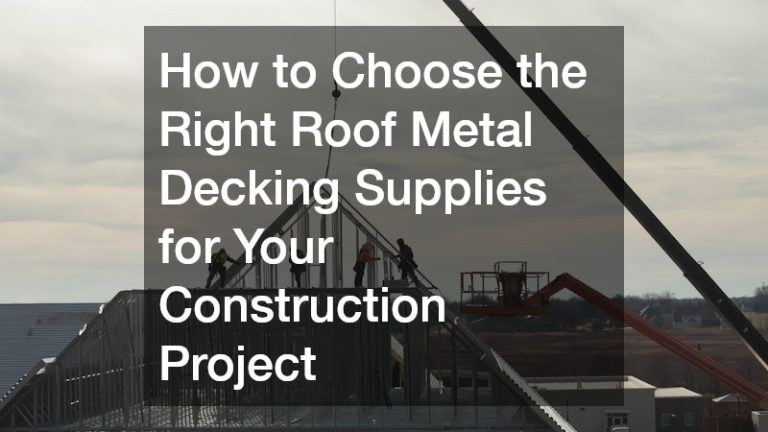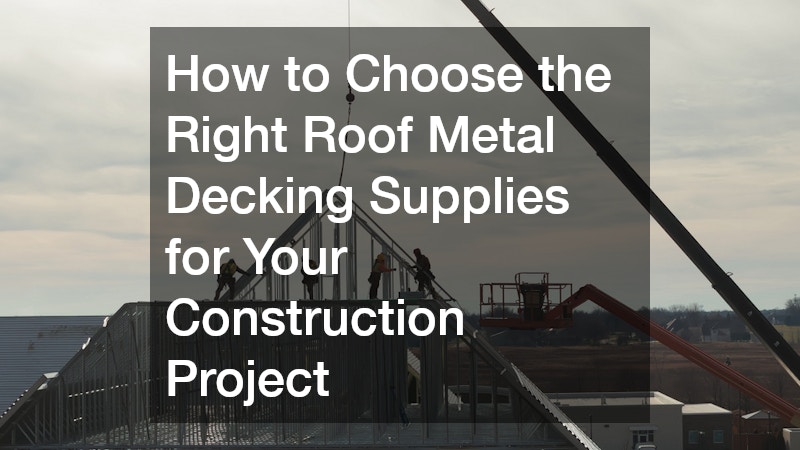
Understanding the importance of selecting the right roof metal decking supplies is crucial for the success and longevity of your construction project. The integrity and durability of a building largely depend on the materials you choose, and metal decking plays a vital role in ensuring these aspects. Overlooking this crucial selection could lead to future complications, affecting both structural safety and financial investments.
This article provides insights into making informed decisions, equipping you with the knowledge needed to choose wisely. By closely examining various factors, you can effectively select the best metal decking for your specific needs.
1. What Are the Key Factors to Consider When Choosing Metal Decking Supplies?
1.1 Material Types and Their Benefits
Choosing the appropriate material type for metal decking is pivotal for the long-term success of construction projects. Options such as steel and aluminum are popular for their resilience and adaptability. Steel is renowned for its strength, making it optimal for high-load structures, whereas aluminum is lauded for its light weight and resistance to corrosion. For commercial projects, steel decking supply often tops the preference list due to its load-bearing capacity and structural integrity. Meanwhile, aluminum finds its niche in projects where environmental resilience and weight limitations are of utmost concern.
Each material type carries distinct benefits that cater to specific project needs. For example, steel not only offers durability but also stands as cost-effective when high performance is a priority. On the other hand, aluminum provides an ideal solution for projects requiring a combination of light weight and longevity. The decision between these materials should consider the balance between immediate financial implications and future operational efficiencies. In making an informed choice, weighing the long-term advantages and initial expenses associated with each option becomes crucial.
1.2 Load Bearing and Structural Requirements
The load-bearing capacity of metal decking is a critical consideration in roofing projects. This capacity directly impacts the safety and stability of a building, necessitating an evaluation of the expected loads and structural demands. Factors such as occupancy, equipment, and environmental stresses dictate the required load-bearing properties of the decking. Steel, for instance, is preferred where substantial loads are anticipated due to its unparalleled strength. In contrast, projects with moderate weight requirements can benefit from the lighter yet durable nature of aluminum decking.
An assessment of structural requirements also involves an understanding of the building’s purpose and geographic location. Buildings in earthquake-prone areas may require enhanced structural fortification, thus influencing the choice of decking materials. Similarly, high-wind regions necessitate decking with superior attachment mechanisms. Understanding these demands ensures your choice of materials aligns with both local building regulations and practical safety standards. Each structural requirement contributes to a comprehensive approach in decking material selection, prioritizing both functionality and peace of mind.
2. How Does Climate Affect Your Choice of Metal Decking?
2.1 Consideration for Corrosion and Weather Resistance
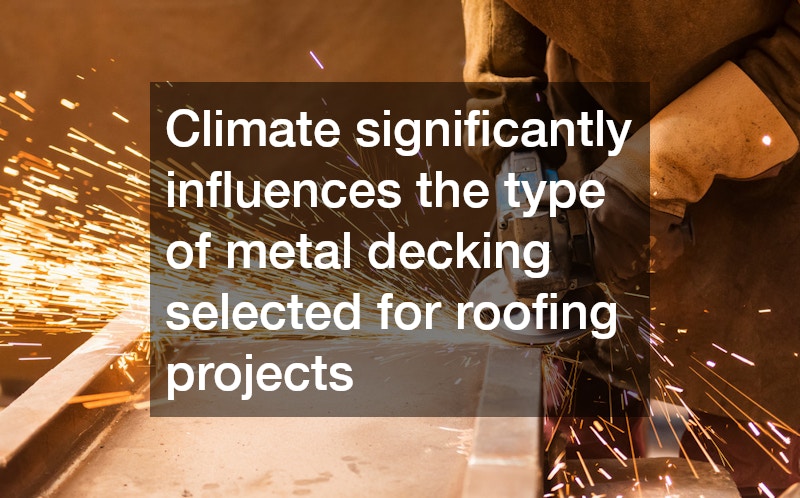
Climate significantly influences the type of metal decking selected for roofing projects, particularly in terms of corrosion resistance. Areas with high humidity, for instance, demand materials that can withstand the risk of rust and degradation. The presence of salt in marine or coastal environments further necessitates corrosion-resistant options like galvanized steel or pre-coated aluminum. These materials offer unrivaled protection against environmental decay, ensuring longevity and reduced maintenance costs. Hence, understanding the climatic conditions during the design phase is paramount for making a sound choice.
Additionally, weather conditions dictate the need for materials that can endure various environmental stressors, such as extreme temperatures or significant rainfall. Metal decking solutions tailored to these conditions enhance the building’s durability and overall performance in adverse weather scenarios. In colder climates, thermal expansion and contraction can affect the structural integrity of roofing materials. Conversely, in hotter regions, selection may lean toward materials that reflect heat, aiding in maintaining interior climate control. Strategic planning to address these issues early ensures that metal decking meets necessary performance standards in its environment.
2.2 Thermal Performance and Energy Efficiency
Thermal performance and energy efficiency are critical factors in the selection of metal decking, profoundly impacting both immediate utility bills and long-term sustainability goals. Deck materials with high thermal performance can markedly reduce heat transfer, thus optimizing indoor climate control and lowering energy consumption. Insulated metal panels, for example, are particularly effective for temperature regulation, helping to maintain consistent internal conditions. Such panels are advantageous because they reduce reliance on artificial heating and cooling systems, translating into cost savings over time. By focusing on thermal inefficiencies, the inclusion of these decking solutions can lead to a more sustainable and economically viable building.
The consideration extends to reflective roofing materials, which are specifically designed to minimize heat absorption. These materials can deflect a substantial proportion of solar radiation, thus aiding in the reduction of the heat island effect in urban environments. By selecting light-colored or metallic surfaces that enhance reflectivity, the building’s energy efficiency witnesses a notable uptick. This focus on reducing heat gain further demonstrates a commitment to lowering the building’s environmental footprint. Not only do these materials help conserve energy, but they also contribute to extending the lifespan of roofing systems through reduced thermal stress.
Choosing the right roof metal decking supplies involves careful consideration of various factors such as material, climate, and cost. A thorough understanding of material benefits, structural and climate requirements, and fiscal impacts allows for effective decision-making. By prioritizing materials that offer both durability and efficiency, builders can achieve desirable structural integrity while optimizing financial outcomes. Making informed decisions fosters resilience and sustainability, leading to a successful construction project. Ultimately, selecting the best metal decking enhances not only the longevity of the construction but also enriches its environmental and economic contributions.
About the Author