
Learning how to choose the right house to flip is a balancing act between calculated market analysis and rigorous physical evaluation. A profitable real estate venture depends heavily on securing a property where the repair costs will not consume your expected profit margins. While many prospective flippers focus solely on location and asking prices, the structural integrity and mechanical status of the residence determine whether a project succeeds or stalls. A thorough assessment involves evaluating every layer of the home, from the hidden foundation framing to the overarching rooflines and surrounding yard space.
To maximize your return on investment, you must systematically evaluate ten major improvement areas before committing capital. You must closely examine structural integrity, assess the main roof structure, calculate overall roofing maintenance costs, and enlist trade specialists for technical installations. Furthermore, managing project debris, expanding footprint potential, acquiring experienced custom builders, installing hardscape elements, updating general vegetation, and inspecting existing aquatic structures are essential steps. By breaking down the renovation requirements into targeted operational categories, investors can reliably establish accurate After Repair Value (ARV) estimates, protect their cash flow, and ensure every property selection leads to a high-yielding real estate exit.
Inspect the Structure
A sound framework serves as the non-negotiable bedrock of any successful residential real estate renovation project. When analyzing a potential investment property, identifying primary framing issues, foundation cracks, and load-bearing compromised walls must take priority before making a formal financial offer. Structural failures can swiftly escalate in cost, threatening to drain your contingency capital and transform a promising investment opportunity into an unprofitable burden. To properly safeguard your portfolio capital, scheduling a comprehensive home inspection provides an objective baseline assessment of the building’s physical integrity.
During this detailed diagnostic walkthrough, an experienced inspector systematically checks the foundation footings, floor joists, rim joists, and main support beams for active settling, water damage, or pest infestations. Uncovering major structural defects early allows you to negotiate appropriate price reductions with the seller or walk away from high-risk properties entirely. By securing detailed diagnostic evaluation reports early in the due diligence period, real estate flippers ensure that essential load-bearing elements remain stable before moving forward with cosmetic or architectural upgrades. Ultimately, verifying structural stability first establishes a safe physical envelope for all subsequent interior finishes. This preliminary confirmation gives lenders and future buyers complete peace of mind regarding the long-term safety of the building.
Assess Roof Quality
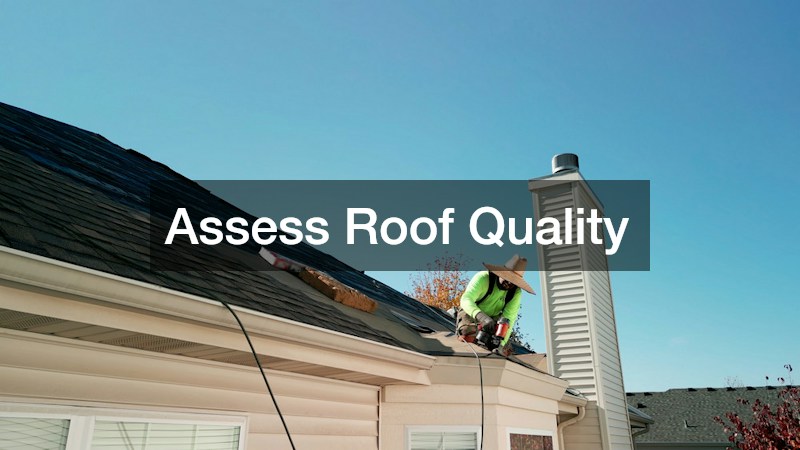
The condition of a roof directly impacts the internal condition, structural integrity, and long-term resale potential of a target property. Water infiltration caused by missing shingles, worn flashing, or severe weather damage can quietly destroy interior drywall, insulation, and electrical systems. Consequently, real estate investors should visually inspect the roof pitch, chimney flashing, and roof edges during every initial property walkthrough. Partnering with the best roofing company in the region ensures that subtle signs of roof deterioration are identified long before final closing documents are signed.
A specialized residential roof assessment gives investors exact estimates regarding whether a minor repair or a complete tear-off is necessary. Qualified inspectors utilize elevated drone technology or physically walk the roof decking to check for soft spots, damaged decking, and compromised sealants around roof penetrations. Acquiring this level of technical clarity allows flippers to factor precise repair estimates directly into their initial purchase negotiations, preventing unexpected, costly delays during the renovation phase. Spotting hidden overhead leaks before finalizing the purchase contract protects your interior budget from disastrous water damage. Furthermore, a pristine roof structure provides immediate, compelling marketing appeal to cautious buyers during future open houses.
Budget Roof Repairs
Accurately calculating your expected renovation expenses is essential for keeping overall holding costs under control throughout the project lifecycle. Roof rehabilitation often presents variable cost projections, depending on regional material expenses, pitch difficulty, and underlying plywood damage. Skimping on overhead weather protection to save immediate cash often leads to severe structural complications and delayed closing timelines later. Establishing a dedicated line item for roofing service operations ensures that water containment and weatherproofing receive proper financial priority from day one.
A realistic budget accounts for both immediate functional fixes and full-system warranties that add tangible marketing appeal for future buyers. Investors must balance initial cash outlays with long-term durability by sourcing quality asphalt shingles, synthetic underlayments, and aluminum drip edges. Integrating comprehensive overhead repair metrics into your overall financial plan ensures that your rehabilitation strategy remains financially viable and resilient against unexpected weather events. Factoring in potential material price shifts prevents unexpected cash crunches during the active construction phase. Consistently protecting your capital through realistic budgeting ensures steady profit margins when the project finally reaches the closing table.
Hire Skilled Roofers

Executing major structural overhead updates requires experienced labor, specialized trade equipment, and strict adherence to local building codes. Attempting to reduce expenses by using uninsured handymen for complex steep-slope roofing projects often leads to premature material failures and liability hazards. Reliable trade professionals ensure that underlayment barriers, ridge vents, and protective flashing are installed according to manufacturer specifications. Contracting licensed residential roofers guarantees that all structural overhead work complies with city codes and qualifies for transferable long-term material warranties.
Top-tier trade specialists provide valuable insight into current architectural trends, helping investors select shingle colors and roof styles that enhance the home’s curb appeal. Their operational efficiency speeds up project timelines, allowing interior updates to proceed safely beneath a fully weatherproofed building envelope. Entrusting overhead installations to certified experts mitigates safety hazards while strengthening buyer confidence during the final property resale phase. Experienced crews also work efficiently to secure the building envelope before adverse seasonal weather patterns set in. Their professional installation credentials serve as a major selling point during final home buyer inspections.
Rent Waste Containers
Managing construction debris efficiently is essential for keeping job sites safe, organized, and compliant with municipal codes. Demo work, interior gutting, and structural modifications quickly generate massive volumes of heavy materials like drywall, old flooring, and discarded lumber. Allowing waste to pile up inside or around the property creates safety hazards and delays sub-contractor workflows. Securing a reliable dumpster rental ensures that construction waste is systematically cleared, maintaining a productive and orderly work environment throughout every stage of the flip.
Choosing the correct container dimensions and drop-off schedule prevents costly project downtime and unnecessary municipal code violations. Professional waste management services handle local permitting requirements, delivery logistics, and environmental disposal fees, allowing investors to focus on core renovation priorities. Maintaining a clean site elevates contractor safety, protects neighboring properties, and establishes a professional presence throughout the neighborhood. Scheduling routine waste hauls keeps the workspace clear and allows subcontractors to operate efficiently without tripping hazards. Ultimately, an orderly job site signals strong management control to inspectors, neighbors, and potential early buyers.
Plan Extra Space
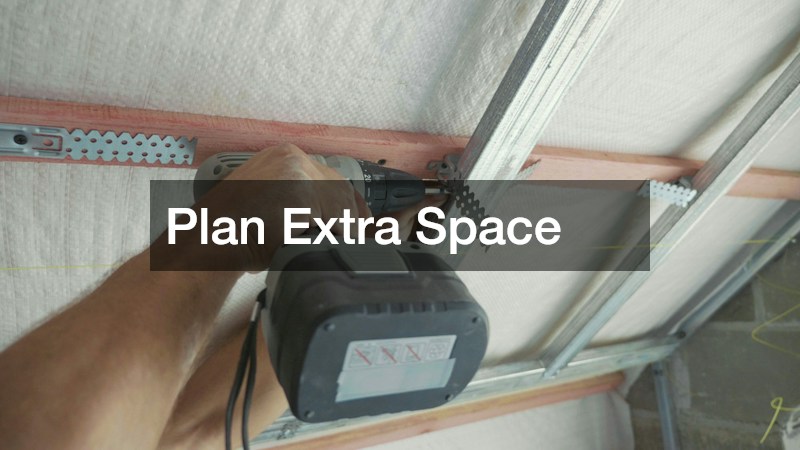
Expanding the usable square footage of a residential property is one of the most effective strategies for boosting market value and attracting buyers. Converting underutilized attics, finishing basements, or adding primary suites can dramatically increase a home’s comparable market valuation. However, structural modifications require precise architectural planning, structural load calculations, and strict adherence to local zoning laws. Collaborating with home addition contractors allows investors to explore expansion possibilities while keeping construction timelines aligned with realistic financial targets.
Professional additions demand careful integration with existing HVAC, electrical, and plumbing infrastructures to deliver seamless living spaces. Experienced expansion experts help navigate complex permitting processes, ensuring all new framing meets modern residential building codes. Expanding living areas with professional guidance helps flippers maximize square footage value while keeping overall construction costs strictly on budget. Adding an extra bedroom or bath can elevate the property into a higher tier of market comps. Strategic space planning guarantees that every newly added square foot directly increases your net return on investment.
Find Custom Builders
Executing complex structural alterations or complete property conversions requires high-level project management and specialized craftsmanship. While general cosmetic upgrades can be managed by basic trade crews, major architectural changes demand a higher degree of structural expertise. Inexperienced management during major structural modifications often leads to costly rework, failed safety inspections, and extended holding times. Partnering with established home builder teams gives real estate flippers access to reliable trade networks, streamlined permitting workflows, and precise cost controls.
Master builders excel at aligning creative designs with real-world budget constraints, helping investors make smart choices about material selections and floorplan changes. Their oversight keeps construction schedules moving forward efficiently, minimizing holding costs like hard money interest, taxes, and utility payments. Working with established builders protects investment capital and delivers high-end finished spaces that command premium resale prices in competitive housing markets. Experienced leads navigate local zoning boards with ease to avoid unexpected construction halts during major framing phases. Their refined craftsmanship creates custom-looking details that help set your property apart from competing area listings.
Design Outdoor Living

Modern home buyers view outdoor living areas as natural extensions of the interior floorplan, placing high value on functional yard setups. Uninviting or dilapidated yards can turn buyers away before they even step inside the front door. Transforming underutilized backyards into stylish outdoor spaces with stone patios, built-in fire pits, and functional walkways significantly boosts buyer interest. Enlisting specialized hardscape contractors allows flippers to install durable, high-impact outdoor amenities that add long-term functional value.
Professional installation prevents common long-term issues such as soil settling, poor drainage, and premature stone cracking. Experienced installers help select durable pavers, retaining wall blocks, and natural stone options that complement the home’s overall architectural style. Delivering functional, well-designed outdoor living spaces creates an immediate visual impact, helping the property stand out in crowded real estate listings. Well-constructed stone features create low-maintenance outdoor entertainment hubs that resonate strongly with lifestyle-focused homebuyers. Investing in durable exterior structures ensures the home maintains its commanding visual appeal long after the sale closes.
Evaluate Yard Work
A property’s exterior appearance sets the initial tone for prospective buyers, directly influencing their overall impression during home viewings. Overgrown trees, damaged lawns, and messy garden beds make a home look neglected, signaling potential hidden maintenance problems inside. Investing in targeted yard updates, fresh mulch, sod installation, and crisp lawn edging provides an immediate return by dramatically raising overall curb appeal. Hiring an experienced landscaping contractor ensures your exterior improvements are thoughtfully planned, low-maintenance, and visually striking.
Landscaping professionals understand regional soil conditions, plant varieties, and proper drainage techniques, helping you select greenery that stays vibrant throughout the sales cycle. They can address site issues like standing water or negative grading that might otherwise alarm home inspectors and prospective buyers. Polishing the property’s exterior landscape creates an inviting initial atmosphere that builds emotional appeal and supports a strong asking price. Modern, clean exterior plantings photograph exceptionally well for online listings and drive higher open house attendance. Strategic plant choices keep long-term maintenance low for the new homeowners, adding a subtle selling point to your marketing.
Check Backyard Pool
An existing in-ground pool can serve as a major selling feature or become a significant liability, depending on its condition and maintenance requirements. Unmaintained aquatic facilities often hide costly issues like cracked gunite, failing pump motors, leaking pipes, or torn vinyl liners. Failing to properly inspect an existing pool can result in unexpected financial losses that quickly erode your project’s profit margins. Having a qualified expert evaluate the in ground pool ensures that all mechanical, structural, and chemical components are thoroughly assessed before you purchase the home.
A thorough pool inspection covers filter performance, heater functionality, surface condition, and surrounding deck safety code compliance. Obtaining clear, detailed repair estimates early allows real estate investors to make informed decisions about whether to resurface, repair, or decommission an existing water feature. Ensuring the pool is fully operational and visually pristine turns potential liability into a luxurious selling point that attracts competitive, high-end buyer offers. A fully restored, sparkling pool creates an immediate lifestyle selling point that commands top-tier asking prices in warmer markets. Resolving pool equipment issues beforehand prevents costly delays and inspection hurdles right before closing.
Learning how to choose the right house to flip requires balancing creative vision with rigorous, numbers-driven physical evaluation. Every component of a residential investment property—from the base foundation and primary framing to the overhead roof structures and surrounding yard space—directly impacts your overall bottom line. Neglecting critical mechanical, structural, or exterior elements can lead to unexpected cost overruns that quickly erode your target profit margins. By systematically evaluating every layer of a house before closing, investors protect their working capital and set up clear, predictable rehabilitation workflows.
Leveraging specialized trade professionals allows real estate investors to build precise rehab budgets and avoid high-risk properties. Utilizing structured diagnostic walkthroughs ensures that essential framing, waste management, additions, outdoor living areas, and existing water features are accurately budgeted for before demolition begins. Ultimately, mastering the art of property selection transforms real estate flipping from a high-risk gamble into a structured, repeatable business strategy. By staying disciplined and performing thorough due diligence, investors can consistently select high-potential properties that deliver strong financial returns and long-term real estate success.
About the Author