
A profitable flip usually comes down to timing, judgment, and restraint. By the time you are preparing to list, it can be tempting to keep improving the property until every room looks perfect. There is always another wall to touch up, another fixture to swap, or another flaw that suddenly feels impossible to ignore.
But smart flippers know the goal is not perfection. The goal is confidence.
Buyers need to feel confident that the home is safe, functional, attractive, and worth the price. Agents need enough confidence to market the property strongly. Inspectors need fewer reasons to raise red flags. And you, as the investor, need confidence that every remaining dollar spent is helping the sale instead of quietly shrinking your margin.
Starting With Safety and Function First

The first repairs to prioritize are the ones that affect whether the home feels safe, stable, and livable. These are not always the most exciting updates, and they rarely photograph as well as a new kitchen backsplash. Still, they are the repairs most likely to protect the deal.
A buyer may forgive an outdated light fixture. They may not forgive water that does not run properly, poor drainage, unsafe steps, or visible signs that the property has been neglected below the surface. These issues create doubt, and doubt is expensive.
Start by walking the property slowly, as if you were seeing it for the first time. Look for anything that might make a buyer pause. Uneven walking surfaces, soft flooring, loose railings, signs of moisture, questionable utility access, and aging exterior features should all move toward the top of the list.
For rural or semi-rural properties, water access may become a major confidence issue. If the home depends on a private water source, buyers may ask about well performance, water quality, and maintenance history. In that case, it can be worth researching well drilling services or arranging an evaluation before listing.
The same thinking applies to waste and drainage systems. If the property has odors, slow drains, soggy areas in the yard, or records showing past issues, septic repair should not be pushed aside in favor of cosmetic work.
Evaluating Major Systems Before Cosmetic Updates
Once the most obvious safety issues are identified, shift attention to the systems that make the home comfortable and usable every day. This is where many flips get into trouble. The investor spends heavily on visible upgrades, then an inspection reveals system issues that should have been handled earlier.
Cosmetic work can create excitement, but systems create trust.
Before listing, check the plumbing, heating, cooling, electrical, drainage, and utility-related components. You do not need to replace everything simply because it is older. However, you do need to know what condition each system is in, what buyers are likely to notice, and what an inspector may flag.
A practical way to approach this stage is to separate system issues into three groups:
- Repairs that must be completed before listing because they affect habitability or inspection results.
- Repairs that should be completed if the budget allows because they improve buyer confidence.
- Items that can be disclosed, documented, or priced into the listing if replacement is not necessary.
This is especially important with properties that have older plumbing or private waste systems. If a contractor recommends septic tank repair, get a clear explanation of the issue, the risk of waiting, and the likely buyer reaction if the problem comes up during inspection.
Heating is another area where buyers tend to be cautious. If the home has inconsistent temperatures, strange noises, short cycling, or aging equipment, local heating repairs may be a better investment than another round of decorative updates.
Improving Curb Appeal With Purpose
Exterior repairs deserve careful attention because they shape the buyer’s first emotional reaction. A buyer may not consciously analyze every detail from the driveway, but they will immediately form an impression. Does this home feel maintained? Does it look inviting? Does it seem like there may be hidden problems?
That first impression can affect how they interpret everything else.
Start with the roofline, entry, siding, porch, driveway, walkway, and yard edges. You are looking for defects that make the property appear uncared for or structurally questionable. Missing shingles, sagging gutters, visible water damage, or aging roof materials may require input from a roofing company before the home is listed.
Cleaning can also have a surprisingly strong return when the exterior is sound but dirty. A pressure washing company can help restore driveways, siding, patios, fences, and walkways without the cost of replacement. This is about removing distractions so buyers can see the actual condition of the property.
Repairing Visible Damage That Raises Doubt
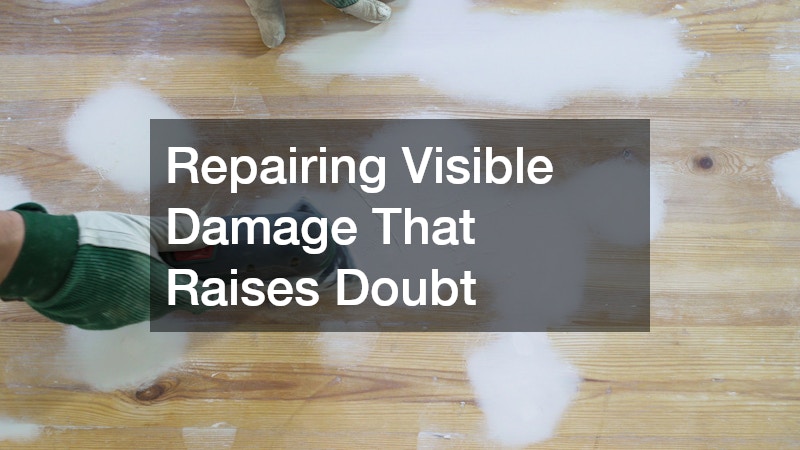
Some defects are not technically urgent, but they create an outsized reaction because buyers can see them immediately. Cracks, gaps, chips, uneven edges, damaged brickwork, and worn surfaces can make a property feel older or less stable than it really is.
This is where prioritization becomes more nuanced. Not every visible flaw deserves a major repair. A small imperfection in a utility area may not matter. A crack near the entry, however, may affect buyer perception every time someone walks through the door.
Think about visible damage in terms of the questions it creates. A buyer who sees cracked brick may wonder whether there is structural movement. Someone who notices broken hardscape may wonder what else was ignored.
Masonry repair can be worthwhile when damaged brick, stone, steps, or exterior features make the home look unstable or poorly maintained. The same applies to landscape and hardscape details. Concrete edging may be a smart repair or upgrade when the surrounding landscape looks unfinished, eroded, or messy.
Choosing Interior Updates That Shape Buyer Emotion
After safety, systems, and exterior concerns are under control, interior updates become more important. This is where buyers start imagining daily life in the home. They picture furniture placement, morning routines, dinner with family, and whether the house feels clean enough to move into without another month of projects.
Interior prioritization should focus on surfaces buyers see, touch, and experience most often. Walls, floors, lighting, doors, cabinets, counters, and bathrooms all carry emotional weight. If these areas feel fresh and cohesive, buyers often respond well even when the home is not loaded with premium finishes.
Flooring deserves special attention because it affects nearly every room. Worn carpet, mismatched materials, deep scratches, stains, or uneven transitions can make the whole property feel unfinished. If the home has hardwood floors, decide whether they should be refinished, repaired, cleaned, or left as-is.
A useful test is to stand at the entrance of each room and ask, “What is the first thing my eye goes to?” If it is a stain, gap, crack, or unfinished edge, that item may deserve priority.
Weighing Lifestyle Features Against Market Expectations
Lifestyle features can help a flip stand out, but they can also eat into profit if they are not aligned with the market. Just because a feature looks appealing does not mean it will create enough value to justify the cost.
Outdoor entertaining areas, bonus rooms, patios, finished basements, and backyard improvements can all influence buyer interest. The question is whether the target buyer actually cares.
A hot tub is a good example. If one already exists, buyers may see it as either a bonus or a future headache. Before hiring a hot tub installer or investing in related improvements, consider the condition of the yard, the likely buyer profile, local climate, and comparable listings.
Lifestyle upgrades should match what buyers in the area want, look finished and intentional, and avoid consuming money needed for higher-priority repairs.
Ranking Repairs by Buyer Objection Risk
One of the clearest ways to prioritize repairs is to rank them by how much resistance they may create during the sale. This approach keeps the focus on buyer behavior instead of personal preference.
A repair that bothers you may not bother buyers. A repair you barely notice may become a major sticking point in negotiations.
Start by sorting your remaining repairs into levels of objection risk. Deal-breakers include issues that could stop the sale entirely, such as safety hazards, major leaks, failed systems, or serious structural concerns. These should be handled first whenever possible.
The next level includes negotiation triggers. These are repairs that may not scare buyers away but could give them a reason to lower their offer or request concessions. Examples include worn finishes, aging fixtures, exterior damage, minor moisture evidence, or visible repairs that look incomplete.
The lowest level includes nice-to-have improvements. These may improve presentation, but they are unlikely to make or break the sale.
Before approving another improvement, ask: “Will this prevent a buyer concern, support the price, or help the home show better?” If the answer is unclear, the repair may not be urgent.
Balancing Repair Costs Against Expected Return
Repair decisions should always connect back to the numbers. A flip can look beautiful and still become a weak investment if the final repair phase is not controlled. This is especially true right before listing, when the pressure to make the home perfect becomes stronger.
Instead of asking whether a repair would be nice to complete, ask what role it plays in the sale.
Some repairs protect the deal. These may not increase the sale price directly, but they reduce the chance of failed inspections, buyer fear, or renegotiation. Other repairs improve perceived value. These help the home photograph better, show better, or feel more move-in ready. A third group simply adds cost without a clear return.
When deciding whether to approve a repair, consider four questions:
- How visible is the issue to buyers?
- How likely is it to come up during inspection?
- How much will it cost compared to the overall budget?
- Will fixing it support the listing price or prevent a concession?
Some repairs are worth doing because they reduce uncertainty. Others are worth skipping because buyers will barely notice them.
Sequencing Work to Avoid Delays and Rework
The order of repairs matters almost as much as the repairs themselves. Doing work in the wrong sequence can create delays, damage finished surfaces, and force you to pay twice for the same area.
The safest sequence is to complete messy, invasive, or system-related work before final cosmetic details. Repairs involving water, utilities, exterior access, demolition, or heavy equipment should usually happen before paint touch-ups, flooring fixes, cleaning, staging, and photography.
A smart sequence might look like this:
- Resolve safety, moisture, and structural concerns.
- Complete system repairs and inspections.
- Handle exterior repairs, cleanup, and access areas.
- Finish interior surfaces, fixtures, and flooring.
- Complete deep cleaning, staging, photos, and final touch-ups.
This order helps prevent avoidable problems. There is no sense touching up baseboards before contractors finish moving tools through the house. It is risky to install new flooring before solving a leak.
Walking Through the Home Like a Buyer

Before listing, do one final walkthrough from the buyer’s perspective. Not as the investor who knows every repair already completed. Not as the person who remembers what the property looked like before. Walk it like someone who has no context and is deciding whether to make an offer.
Start at the street. Notice the curb appeal, the entry path, the front door, and the first view into the home. Then move through each room slowly. Open doors. Turn on lights. Test faucets. Look at corners, transitions, trim, closets, and areas where work may have been rushed.
Pay close attention to sensory details. Does the home smell clean? Does the temperature feel comfortable? Are there odd noises? Do doors close properly? Does the house feel finished?
Listing photos can also reveal problems you miss in person. Take a few phone photos before the professional shoot and review them carefully. Cluttered corners, crooked fixtures, scuffed floors, harsh lighting, and unfinished exterior details often stand out more on camera.
Listing With Fewer Doubts and Stronger Confidence
Prioritizing repairs before listing is really about protecting the sale. A successful flip does not need every possible improvement. It needs the right repairs completed in the right order, with enough discipline to stop when additional spending no longer supports the outcome.
Start with what affects safety and function. Move next to systems, exterior presentation, visible damage, and interior surfaces. Weigh lifestyle upgrades carefully. Rank every remaining task by buyer objection risk, and keep the budget tied to the likely return.
This approach helps you avoid two common mistakes: listing too soon with problems that weaken buyer confidence, or spending too much on details that do not meaningfully improve the sale.
When the home finally goes live, buyers should feel that the property is clean, cared for, and ready for its next owner. That confidence can lead to stronger showings, smoother inspections, fewer concessions, and a better chance of preserving the profit you worked to create.
About the Author