
Flipping a home successfully requires far more than cosmetic updates and quick decisions. Every property presents a unique mix of opportunities and risks, and understanding how to evaluate those factors early can make the difference between a profitable project and an expensive lesson. From the moment a flipper walks into a property for the first time, the focus should be on identifying conditions that affect safety, longevity, and buyer appeal. These early observations help shape the renovation plan, influence budgeting decisions, and determine which improvements will deliver the strongest return. A structured contractor checklist provides clarity during what can otherwise feel like a chaotic process. Rather than reacting to problems as they arise, flippers who plan can schedule work efficiently, avoid unnecessary rework, and maintain momentum throughout the project. This approach also supports better communication with professionals, ensures upgrades are completed in the correct order, and helps prevent small issues from turning into major setbacks. When each phase of the renovation is considered carefully, the entire flip becomes more predictable, manageable, and ultimately more successful.
Evaluating Exterior Property Conditions

The exterior of a property often sets expectations for everything that follows. Before stepping inside, experienced flippers take time to assess how the home presents from the street, noting elements that influence curb appeal and long-term durability. Walkways, grading, drainage patterns, and visible wear all provide clues about how the property has been maintained over time. These observations help establish whether improvements are largely aesthetic or if deeper issues may be hiding beneath the surface. A thorough exterior evaluation also helps determine how to prioritize outdoor improvements. Engaging a landscaping service can be an efficient way to address uneven terrain, overgrown areas, and neglected features that detract from the home’s appearance. Strategic updates can guide foot traffic, highlight architectural features, and create a cleaner visual transition from outside to inside. When exterior conditions are addressed early, the entire renovation feels more cohesive and appealing to future buyers.
Addressing Structural and Safety Concerns
Structural integrity is one of the most critical factors in any home flip, as unresolved issues can quickly erode profit and delay resale. Flippers must look beyond surface-level finishes to identify warning signs such as sagging areas, water intrusion, or compromised materials. These problems often require immediate attention and careful planning, since they affect both the safety of the property and the scope of the renovation timeline. Roof-related issues are particularly important to address early, as they can impact multiple areas of the home if left unchecked. Consulting a roofer allows flippers to understand the condition of the existing system and determine whether repairs or replacement are necessary. Taking care of these concerns early helps protect interior upgrades, prevents future damage, and reassures buyers that the home has been improved with durability in mind.
Managing Tree and Lot Preparation Needs
Lot conditions play a major role in both project logistics and long-term property appeal. Overgrown trees, unstable soil, and neglected yard areas can create safety hazards and complicate renovation work if they are not addressed early. Flippers benefit from evaluating how vegetation interacts with the structure itself, including proximity to foundations, roofs, and utility lines. Clearing and preparing the lot establishes a safer environment for contractors while also setting the stage for future exterior improvements. Professional support is often necessary when trees or large plantings are involved, especially when removal or trimming affects access or drainage. Hiring a tree service helps ensure that work is completed safely and in compliance with local requirements. Proper lot preparation can prevent damage to newly installed features, improve sunlight exposure, and create a cleaner canvas for landscaping plans. Addressing these needs early helps maintain workflow efficiency and avoids disruptions later in the project.
Planning Roofing Repairs and Replacement
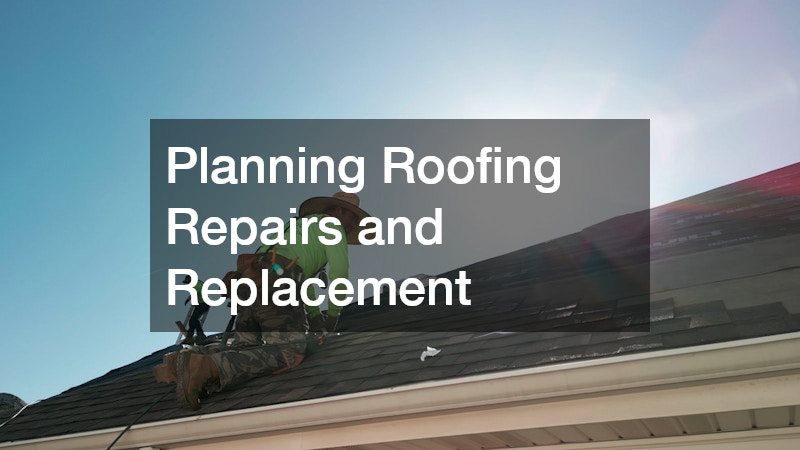
Roofing projects require careful coordination because they directly affect interior work and overall scheduling. Before major renovations begin, flippers should evaluate how the roof’s condition aligns with planned upgrades inside the home. Even minor leaks or worn materials can jeopardize new insulation, drywall, or finishes if they are not resolved first. Clear planning allows roofing work to happen at the correct stage without forcing costly revisions. Once roofing concerns are resolved, related exterior tasks often follow close behind. Painters frequently work alongside roofing updates to refresh siding, trim, and other exposed surfaces impacted during repairs. Coordinating these efforts helps maintain a consistent exterior finish and prevents redundant labor. When roofing and surface improvements are aligned, the home presents as well-maintained and cohesive, which can positively influence buyer confidence.
Coordinating Electrical System Updates
Electrical systems must support both safety standards and modern buyer expectations. Older properties often require updates to accommodate today’s appliances, lighting designs, and smart technology. Flippers should assess panel capacity, wiring condition, and outlet placement early to determine whether changes are needed before walls are closed and finishes are installed. Addressing these considerations in advance reduces the risk of delays and ensures code compliance. Working with local electricians allows flippers to plan upgrades that align with the home’s layout and renovation goals. These professionals can identify outdated components, recommend efficient solutions, and ensure installations meet local regulations. Proper coordination helps avoid last-minute changes that can disrupt other trades. When electrical updates are handled strategically, the finished home feels safer, more functional, and ready for modern living.
Assessing Heating and Cooling Requirements
A functional HVAC system is essential not only for comfort but also for protecting a property’s interior during renovations. Temperature extremes can affect materials, paint, and finishes, making it crucial to evaluate the system early. For flippers, understanding the age, efficiency, and capacity of existing equipment allows for informed decisions about whether repairs, upgrades, or full replacements are necessary. Proactive assessment prevents unexpected failures that could slow down the renovation schedule. Engaging local HVAC services ensures that the home’s heating and cooling needs are addressed professionally. Technicians can inspect ductwork, test equipment, and recommend solutions that balance efficiency with cost-effectiveness. Proper HVAC planning also supports energy efficiency, which is a growing consideration for buyers. When these systems are upgraded strategically, the home feels more comfortable and modern, giving it a competitive edge in the market.
Upgrading Kitchens for Market Appeal
Kitchens are often the centerpiece of any home and a major factor in resale value. For flippers, evaluating the layout, cabinetry, appliances, and overall flow is critical before committing to renovations. Even minor adjustments, such as improving lighting or reconfiguring storage, can have a significant impact on buyer perception. A well-planned kitchen upgrade balances aesthetic appeal with functional improvements, helping the property stand out in a competitive market. Investing in kitchen renovations allows flippers to maximize return on investment through thoughtful design choices and quality finishes. Updating countertops, cabinets, and fixtures while maintaining consistency with the home’s style can transform a dated space into a modern, inviting hub. Attention to detail, such as ensuring durable surfaces and efficient layouts, ensures that buyers experience both beauty and practicality. When done correctly, a kitchen upgrade becomes one of the most visible and profitable improvements in a flip.
Improving Outdoor Spaces and Landscaping

Outdoor spaces are an extension of the home and play a vital role in first impressions. Flippers should evaluate yards, patios, and garden areas early to determine how these spaces can enhance the property’s appeal. Effective landscaping can increase usability, improve curb appeal, and support a positive perception of the home’s overall condition. Planning upgrades thoughtfully ensures that outdoor areas complement interior renovations rather than competing with them. Incorporating landscape materials into the project allows for creative and practical enhancements. From pathways and mulch beds to decorative stone and planting areas, these materials help define outdoor living spaces and create a polished appearance. Proper selection and installation also protect soil, manage drainage, and reduce maintenance concerns for future owners. When outdoor improvements are executed strategically, they elevate both aesthetic value and functionality, making the property more attractive to potential buyers.
Repairing Fencing and Exterior Boundaries
Fences and boundary structures are more than decorative—they provide security, define property lines, and contribute to overall curb appeal. For flippers, assessing fencing early helps identify areas that may require repair, replacement, or upgrades to meet modern buyer expectations. Broken or outdated fences can distract from other exterior improvements and even signal neglect, making early attention essential for a cohesive renovation. Considering the fence’s design and materials can also influence the perceived quality of the entire property, as well-maintained boundaries suggest attention to detail throughout the home. Working with reputable fence companies ensures that repairs or installations are completed efficiently and professionally. Contractors can recommend durable materials, proper height and spacing, and designs that enhance both security and aesthetics. They can also advise on local regulations or neighborhood standards, helping avoid potential compliance issues. Well-executed fencing creates a clear, polished boundary that complements landscaping, protects investment in the yard, and reassures buyers about the home’s overall upkeep. When fencing is addressed thoughtfully, it strengthens both functionality and resale appeal, making the property feel well-cared-for and complete from every angle.
Enhancing Living Space With Added Enclosures
Creating additional usable space is a common way to increase a home’s value and functionality. Enclosed patios, sunrooms, or similar additions allow flippers to expand living areas without the cost of full structural expansion. Evaluating opportunities for enclosures early helps integrate these improvements into the renovation plan, ensuring they complement existing architecture and interior flow. Investing in an enclosed patio can transform underutilized outdoor areas into year-round living spaces. Quality construction and careful attention to insulation, windows, and finishes ensure the space is comfortable, visually appealing, and durable. Thoughtful design also allows for flexible use, whether as an entertainment area, home office, playroom, or casual lounge, increasing the home’s versatility for potential buyers. Such upgrades often appeal to buyers seeking adaptability, entertainment options, or enhanced comfort. Landscaping, lighting, and seamless access from the interior further enhance the connection between indoor and outdoor spaces. When enclosures are integrated thoughtfully, they increase both the livable square footage and the perceived value of the property, making the home feel larger, more functional, and better suited to modern lifestyles.
Ensuring Quality Finishes and Interior Detailing

The interior finishes of a flipped home often make the most immediate impression on buyers, influencing their perception of both quality and value. Attention to detail in flooring, paint, trim, and fixtures can elevate a property from ordinary to highly desirable, creating a sense of cohesion and craftsmanship that appeals to a broad market. For flippers, this means carefully planning not only the style and color schemes but also the sequencing of work to ensure that each trade has the proper access and that surfaces are protected during ongoing renovations. Even small mistakes, such as uneven paint lines, mismatched trim, or improperly installed hardware, can stand out to potential buyers and diminish the perceived quality of the home. Coordinating painters, carpenters, and other specialty contractors effectively ensures that finishes are executed consistently and efficiently, reducing the likelihood of rework and maintaining the project timeline. Investing in quality materials and paying attention to subtle design details also contributes to long-term durability and buyer satisfaction, which is critical for maintaining reputation and maximizing resale value. Moreover, strategic use of finishes can enhance light, space, and flow, making rooms feel larger, brighter, and more inviting without requiring major structural changes. By considering both aesthetics and functionality, flippers can make choices that not only meet market trends but also future-proof the home for long-term appeal. This level of attention is especially important in competitive housing markets where buyers have high expectations and multiple options. Ultimately, ensuring quality finishes and interior detailing is about more than visual appeal—it’s about creating a home that feels complete, well-maintained, and thoughtfully renovated from the moment a buyer steps through the door, which can dramatically influence both the speed of sale and the final return on investment for a flip.
Successful home flipping requires more than identifying outdated finishes or trendy design elements—it demands a strategic, comprehensive approach that considers both interior and exterior factors. By following a structured contractor checklist, flippers can prioritize tasks, manage schedules, and allocate budgets effectively, ensuring that each improvement delivers maximum return. From evaluating initial conditions to executing specialized upgrades, careful planning reduces risks and streamlines the renovation process. Incorporating professional services thoughtfully ensures quality and efficiency across every aspect of a flip. Whether addressing structural concerns, upgrading kitchens, or enhancing outdoor living spaces, the right contractors provide expertise, guidance, and execution that elevate the property’s appeal. By paying attention to detail, coordinating improvements, and considering long-term marketability, flippers can turn challenges into opportunities, transforming homes into attractive, profitable investments while creating spaces that appeal to modern buyers.
About the Author