
Flipping a house can be one of the most exciting and rewarding ways to invest in real estate, but it’s also a project that demands careful planning, creativity, and attention to detail. Every decision—from choosing the right property to selecting materials and managing contractors—can affect both your timeline and your potential profit. Many aspiring flippers underestimate how much thought and preparation go into each step, leading to unnecessary stress or missed opportunities. By approaching a house flip strategically, you can balance aesthetic improvements with practical considerations, ensuring that your renovations not only appeal to buyers but also add lasting value. Understanding the process, setting realistic goals, and anticipating potential challenges will help you turn your vision into a successful outcome.
A successful flip is as much about organization as it is about design. From mapping out renovation priorities to coordinating schedules for contractors, staying proactive can prevent costly delays. Every decision should consider both the immediate impact on the property and the long-term appeal to potential buyers. While flipping a house is often portrayed as a glamorous venture, the reality involves careful budgeting, realistic timelines, and a willingness to solve unexpected problems efficiently.
Planning Your House Flip Efficiently

When approaching a house flip, careful planning sets the foundation for success. A well-organized plan allows you to allocate resources, anticipate challenges, and make informed design choices while keeping long-term home care in mind. It involves assessing the property’s condition, identifying which areas require updates, and prioritizing projects that will provide the highest return on investment. Proper planning also ensures that your renovation aligns with local building codes and zoning regulations, avoiding costly setbacks. A structured approach to a house flip reduces the chance of overlooked details, delays, or budget overruns, giving you the confidence to proceed with each stage in a logical, efficient manner.
Planning your house flip efficiently often begins with creating a comprehensive checklist of tasks and materials. Evaluating the existing electrical, plumbing, and HVAC systems before starting cosmetic renovations can reveal underlying issues that may otherwise become expensive emergencies. In addition, using project management tools or simple spreadsheets can help track progress, schedule contractors, and keep costs in check. Attention to details like sourcing high-quality fixtures, selecting durable flooring, and timing deliveries of essential materials ensures that each part of the project runs smoothly. By combining foresight with practical steps, you can maintain momentum throughout the renovation process and minimize surprises that might derail your plans.
Budgeting For the Unexpected
Flipping a house involves more than just estimating the costs of visible renovations. Unexpected expenses can emerge at any stage, from hidden structural issues to sudden material price increases. Developing a budget with built-in flexibility is essential to maintaining control over your project. By anticipating potential surprises, you create a financial safety net that allows you to make adjustments without sacrificing key renovations or your overall timeline. A thoughtful approach to budgeting ensures that you are prepared for both predictable and unforeseen costs, reducing stress and keeping your project on track.
Budgeting for the unexpected may involve setting aside a contingency fund, typically around 10 to 20 percent of the total renovation costs. For instance, you might encounter plumbing leaks, the need for residential pest control services, or outdated wiring once demolition begins, all of which require immediate attention and could otherwise throw your budget off balance. Regularly reviewing expenses and adjusting estimates as the project progresses helps prevent overspending. Consulting with professionals, such as contractors or inspectors, early on can also highlight potential problem areas and provide more accurate projections. By approaching your budget with flexibility and foresight, you ensure that your house flip remains financially viable, even when surprises arise.
Choosing High-Impact Renovations
When planning a house flip, it’s crucial to focus on renovations that will have the most noticeable effect on both aesthetics and resale value. High-impact renovations are those that catch the eye of potential buyers while addressing practical concerns, creating a balance between beauty and functionality. Rather than investing in minor decorative upgrades, prioritizing key areas such as flooring, lighting, or open-concept layouts can transform a home and significantly increase its market appeal. By carefully selecting renovations that offer a strong visual impression and improve usability, you maximize the return on your investment.
Choosing high-impact renovations often means evaluating the home from the buyer’s perspective. For properties with rural features or older infrastructure, ensuring systems solutions like a well pump are in good working order can be just as important as cosmetic upgrades. Replacing outdated windows, adding built-in storage, or updating lighting can further enhance both efficiency and appearance. These practical improvements reassure buyers while elevating the overall look and feel of the home.
Updating Bathrooms and Kitchens
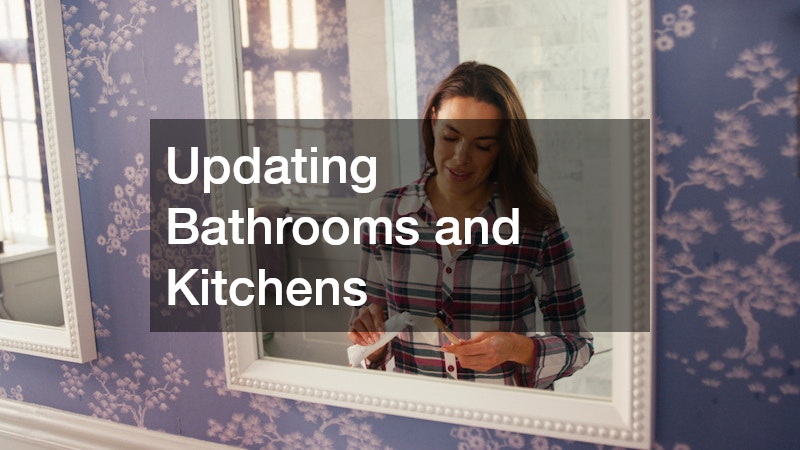
Bathrooms and kitchens are often the heart of a home, and updating them can significantly increase a property’s appeal. These spaces not only influence aesthetic impressions but also signal the overall condition and livability of a house. Modern, functional kitchens and bathrooms attract buyers who value convenience, comfort, and style. Investing in these areas ensures that your renovation addresses both practical needs and market expectations, making your property more competitive and appealing in today’s real estate market.
Updating bathrooms and kitchens involves a combination of functional upgrades and thoughtful design choices. Installing new countertops, cabinetry, or faucets can modernize the space while improving durability and ease of maintenance. Attention to plumbing maintenance is essential, as leaks, inefficient fixtures, or outdated piping can cause costly problems if left unaddressed.
Enhancing Curb Appeal
The exterior of a home is the first impression potential buyers receive, making curb appeal a critical aspect of any flip. A well-maintained, visually appealing exterior suggests that the property has been cared for, encouraging interest and positive perceptions. Enhancing curb appeal involves more than just landscaping; it encompasses paint, siding, front doors, windows, and outdoor spaces. A home that looks polished and inviting from the street sets the tone for the rest of the property, drawing buyers in and increasing its perceived value.
Enhancing curb appeal can involve targeted improvements such as updating fences, refreshing landscaping, or installing new exterior lighting. Choosing fence materials that complement the style of the home not only improves security and privacy but also adds a polished, cohesive look. Minor adjustments like power-washing siding, painting shutters, or planting low-maintenance greenery can have a dramatic visual impact without breaking the budget.
Incorporating Smart Home Technology
In today’s housing market, integrating smart home technology can make a property stand out from others and appeal to modern buyers. These upgrades not only enhance convenience and comfort but also improve energy efficiency and security. From smart thermostats and lighting to automated door locks and security systems, technology offers practical solutions that resonate with tech-savvy homeowners. Incorporating smart home features into a renovation plan demonstrates forward-thinking design while increasing a property’s marketability and overall value.
Incorporating smart home technology often involves selecting systems that are both user-friendly and cost-effective. For example, smart water purification systems have become popular. It ensures access to clean, filtered water while adding a subtle selling point for buyers who prioritize health and sustainability. Pairing this with other smart features, such as app-controlled lighting, temperature regulation, and leak detection sensors, enhances the functionality of the home.
Optimizing Storage
Optimizing storage is an essential part of creating a functional and appealing home, especially in a house flip where buyers are looking for both style and practicality. Well-planned storage solutions help reduce clutter, improve organization, and make living spaces feel larger and more efficient. From bedrooms and hallways to kitchens and laundry rooms, thoughtful storage can transform how a home functions on a daily basis. Buyers often notice when storage is limited, so addressing these areas proactively can increase perceived value and overall market appeal. Incorporating built-in shelving, multi-purpose furniture, and efficient layouts allows homeowners to make the most of every square foot without compromising the design aesthetic.
A major focus of optimizing storage is closet design, which plays a key role in how organized and usable a home feels. Custom or semi-custom closet systems with adjustable shelves, drawers, and hanging space can dramatically improve functionality while maintaining a clean, modern look. Adding lighting inside closets enhances visibility and creates a polished finish that appeals to buyers. Thoughtful placement of storage features, such as shoe racks or vertical shelving, helps maximize space in smaller areas while maintaining ease of access. By investing in well-designed storage solutions, homeowners can create spaces that feel intentional, practical, and move-in ready, making the property more attractive to buyers and supporting a higher resale value.
Revamping Outdoor Spaces

Outdoor areas often hold untapped potential, and revamping these spaces can dramatically increase both the visual appeal and functionality of a property. Neglected patios, overgrown gardens, or worn entryways can give buyers the impression that a home requires more work than it actually does. By addressing outdoor spaces strategically, homeowners can create a fresh, cohesive, and inviting environment that complements the interior while maximizing curb appeal. Renovating outdoor areas provides an opportunity to enhance the home’s overall aesthetic, making it more attractive and enjoyable for both residents and potential buyers.
Revamping outdoor spaces might involve landscaping, installing decorative hardscape, or updating patios and walkways with durable, visually appealing materials. For instance, adding stone pathways, reinforced garden beds, or accent rock features can increase both usability and charm. Bulk rock delivery for landscaping projects or foundational accents allows for practical improvements that also elevate the home’s visual impact. By transforming previously underutilized outdoor areas with thoughtful design and functional upgrades, homeowners can create inviting, market-ready spaces that impress potential buyers and justify a higher sale price.
Managing Contractors and Teams
Successfully managing contractors and renovation teams is a critical component of a profitable house flip. Even the best-planned project can falter without clear communication, organized schedules, and accountability. Effective management ensures that tasks are completed on time, within budget, and to the desired quality standards. It also helps prevent misunderstandings that can cause delays or extra costs, allowing the renovation to progress smoothly and efficiently from start to finish.
Managing contractors and teams often involves setting clear expectations, monitoring progress, and addressing problems promptly. Using detailed project plans, regular check-ins, and clear contracts can help keep everyone aligned. For example, a general contractor may need guidance on coordinating multiple subcontractors, from electricians to painters, to ensure the work proceeds in the correct sequence. Having a solution for potential conflicts, like schedule overlaps or material delays, ensures the project maintains momentum.
Maximizing Return on Investment

Flipping a house is ultimately a business venture, and maximizing return on investment requires strategic choices in both renovations and marketing. Not every upgrade contributes equally to resale value, so understanding which changes offer the highest payoff is essential. From selecting durable, stylish materials to timing improvements for maximum impact, each decision should be made with profitability in mind. A well-thought-out approach ensures that the financial benefits of the flip outweigh the costs, increasing the likelihood of a successful sale.
Maximizing return on investment might involve prioritizing high-traffic areas and essential updates that buyers value most. For instance, investing in a durable roof or fresh exterior finishes can make the home more appealing while reducing concerns about future repairs. Maximizing return may involve prioritizing structural reliability and exterior upgrades, such as residential roofing, which reassures buyers and reduces concerns about future repairs.
Flipping a house successfully requires a balance of careful planning, strategic budgeting, and thoughtful design choices. From the initial assessment of a property to the final touches that enhance both functionality and style, each step plays a crucial role in creating a home that appeals to buyers and maximizes profit. Attention to high-impact renovations, modern amenities, and curb appeal ensures that the property stands out in a competitive market, while careful management of contractors and finances keeps the project on track.
A successful house flip combines vision with practicality. By addressing unexpected challenges, incorporating smart updates, and making improvements that offer both aesthetic and functional value, homeowners can transform outdated properties into desirable, market-ready homes. Each investment, whether in smart technology, updated fixtures, or exterior enhancements, contributes to the overall appeal and profitability of the project. With foresight, organization, and attention to detail, flipping a house can be both a rewarding and financially successful endeavor, leaving homeowners confident in their results and ready for future opportunities.
About the Author