
Flipping a house can be exciting, profitable, and, let’s be honest, sometimes stressful. One of the biggest mistakes new flippers make is focusing too much on cosmetic updates—think paint colors, countertops, or trendy lighting—while overlooking the structural integrity of the home. The truth is, if the foundation, roof, plumbing, or other core systems aren’t in good shape, your flip could cost you far more in repairs or reduce your resale value significantly.
Investing in structural upgrades doesn’t just protect your financial stake; it also gives buyers confidence. A home that feels solid, safe, and well-maintained will sell faster and often for a higher price. In this guide, we’ll walk through the major areas of the home that benefit from structural attention and offer practical tips to make upgrades more effective and less stressful.
1. Inspecting the Foundation

The foundation is literally what holds the whole house up, so starting here is absolutely critical. Even small cracks or signs of settling can quickly turn into major headaches if left unchecked. Issues like water intrusion, soil instability, or shifting footings don’t just affect the foundation itself—they can compromise floors, walls, plumbing, and even the roof. That’s why the first step should always be a thorough professional inspection. Licensed inspectors or structural engineers can identify problems that are invisible to the untrained eye, such as subtle bowing walls, uneven settling, or improper drainage around the perimeter of the home.
For flippers, it’s not just about spotting problems—it’s about planning smart solutions that protect your investment. Sometimes the fixes are straightforward, like installing proper drainage, sealing cracks, or adding support piers. Other times, more extensive work may be required, such as underpinning or full foundation reinforcement. In either case, consult professionals who offer structural engineering solutions to make sure that any interventions are safe, effective, and compliant with local building codes. This expert guidance can save you thousands of dollars in future repairs while also giving buyers confidence that the home is structurally sound.
When planning foundation upgrades, keep an eye out for these common issues:
- Cracks in walls or floors: Small cracks aren’t always a deal-breaker, but they can indicate larger structural concerns that require attention.
- Water intrusion: Leaks in the basement, moisture buildup, or mold growth are clear red flags that the foundation may be compromised.
- Uneven settling: Doors that stick, windows that don’t close properly, or sloping floors could mean the foundation isn’t level.
- Poor soil support: Clay, sandy, or poorly compacted soil can expand and contract with moisture, putting additional pressure on the foundation and causing long-term problems.
Tackling these issues early safeguards the structural integrity of the home and ensures that all other renovations—like roofing, plumbing, and interior upgrades—can proceed without complications. A strong, well-assessed foundation sets the stage for a successful flip and protects your investment from costly surprises down the road.
2. Roofing Repairs and Replacement
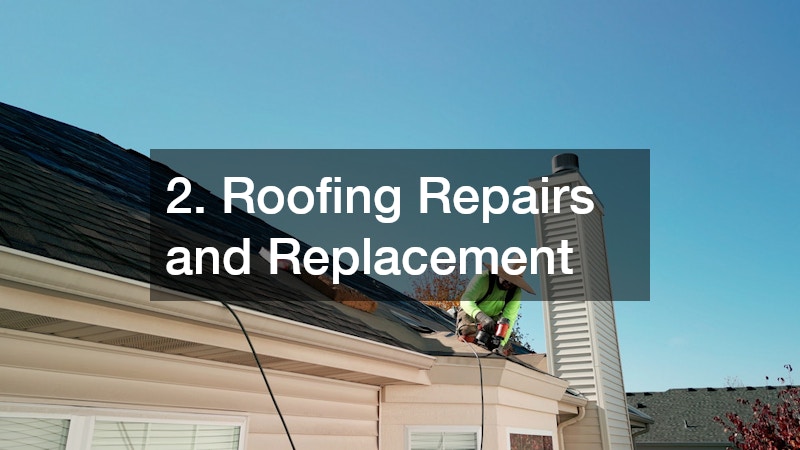
Your roof is your home’s first line of defense against weather, water damage, and even energy loss. It shields the entire house from rain, snow, wind, and sun, so even small issues can escalate quickly if left unchecked. Ignoring roof problems can lead to leaks, mold growth, and even structural damage over time, potentially affecting ceilings, walls, and insulation. That’s why it’s essential to understand whether your roof needs minor repairs, partial replacement, or a full overhaul before listing your flip.
When inspecting a roof, keep an eye out for these warning signs:
- Missing or damaged shingles: These can allow water to penetrate the roof deck, causing rot or leaks.
- Sagging areas or uneven slopes: Often a sign of structural weaknesses or water damage beneath the surface.
- Leaks in the attic or ceilings: Water stains, mold, or damp spots indicate that the roof is compromised.
- Signs of water damage on exterior walls: This can be a symptom of failing shingles, flashing, or gutters.
Addressing roof issues during a flip not only protects your investment but also enhances the home’s curb appeal. Even a small roof repair can prevent larger, more expensive problems from developing and save you headaches down the line. For bigger projects, consider upgrading materials for durability and long-term value. High-quality shingles, metal roofing, or other resilient materials may cost more upfront but can make your property more attractive to buyers.
Hiring a professional roofer is highly recommended, especially if you’re tackling complex repairs or a full replacement. A skilled roofer can ensure that shingles, flashing, and underlayment are installed correctly, preventing leaks and maximizing the roof’s lifespan.
3. Upgrading Load-Bearing Walls
Load-bearing walls are the backbone of your home’s structure. They support ceilings, upper floors, and sometimes even the roof, which means removing or altering them without proper support can lead to sagging ceilings, uneven floors, or, in extreme cases, structural failure. Whether you’re opening up a floor plan for a more modern look or reinforcing existing walls for safety, careful planning is essential to protect the home’s integrity and your flip investment.
When upgrading or modifying load-bearing walls, consider these steps:
- Identify which walls are load-bearing: Exterior walls are always load-bearing, but some interior walls may also carry critical weight. A professional evaluation is essential to determine which walls can be safely altered.
- Install proper supports: Beams, posts, and headers help redistribute weight evenly, preventing stress on other parts of the home. Choosing the right materials and sizing them correctly is crucial.
- Reinforce old walls: Older homes or walls that have been altered over time may require additional support, such as sistering studs or adding steel beams, to ensure long-term stability.
Once the structural work is complete, restoring the wall’s finish is just as important as the reinforcements themselves. Proper drywall installation is necessary to keep walls look seamless, hide repairs, and make the space feel polished and move-in ready. Don’t skip steps like taping, mudding, sanding, and painting—these finishing touches not only enhance aesthetics but also signal to buyers that the home has been well cared for and professionally updated.
Upgrading load-bearing walls is a balance between safety, function, and style. Done correctly, it creates an open, inviting space without compromising the home’s structural integrity—a win for both your flip’s safety and its resale value.
4. Plumbing and Water Line Updates
Plumbing is another critical area where structural upgrades directly protect your investment and ensure a smooth sale. Old pipes, leaks, or improperly installed water lines can cause serious problems, including water damage, mold growth, and even foundation issues if left unaddressed. For house flippers, tackling plumbing upgrades early—before cosmetic work or staging—is essential to avoid costly surprises during inspections.
Key plumbing upgrades to consider:
- Replacing old pipes: Many older homes still have galvanized or lead pipes, which can corrode over time, reducing water flow and potentially contaminating the water supply. Updating these pipes to modern materials improves both safety and functionality.
- Checking sewer lines: Cracked, collapsed, or clogged sewer lines can be expensive to repair and are often hidden underground. A thorough inspection, possibly with a camera, can prevent major issues from cropping up unexpectedly.
- Upgrading fixtures and water pressure: Installing modern faucets, showerheads, and valves can improve water efficiency and add aesthetic appeal without breaking the budget. Even minor upgrades like these can make a big difference to buyers.
Working with a professional local plumbing company can make all the difference when managing multiple plumbing projects in a flip. They can provide a holistic evaluation of the system, prioritize critical repairs, and ensure that all work meets building codes.
5. Electrical System Improvements
Like plumbing, the electrical system is critical for safety and functionality. Outdated wiring, overloaded circuits, or insufficient power can limit your renovations and create safety hazards. Buyers also notice the difference when the home feels modern and worry-free.
Areas to focus on:
- Panels and circuits: Older homes may have fuses or underpowered panels that need upgrading.
- Wiring condition: Check for frayed wires, outdated knob-and-tube wiring, or aluminum wiring.
- Modern convenience upgrades: Adding outlets, GFCI protection, and smart switches can improve usability and appeal.
Electrical work is one area where professional assessment is non-negotiable. Doing it right ensures your flip is safe, functional, and attractive to buyers who don’t want hidden surprises.
6. Basement and Crawlspace Reinforcements
Basements and crawlspaces often take a beating over the years from water intrusion, shifting soil, and aging foundations. These spaces may not get as much attention as the main living areas, but reinforcing them is critical for the home’s overall stability. A strong, well-supported basement or crawlspace not only protects the structure but can also create additional usable space for buyers, adding real value to your flip.
When planning reinforcements, consider these key factors:
- Waterproofing: Proper waterproofing is essential to prevent mold, rot, and structural damage. Seal walls, install effective drainage systems, and maintain proper grading around the foundation to channel water away from the home.
- Structural reinforcement: Reinforce floor joists, support beams, and posts to ensure they can handle heavier loads above, especially if the home will undergo renovations or additions. Strengthening these elements prevents sagging floors and supports overall stability.
- Excavate if necessary: In some cases, soil around the foundation must be regraded, stabilized, or even partially removed to improve drainage and prevent future settling. Proper excavation ensures the home’s foundation remains solid and prevents long-term problems. For larger or more complex projects, hiring a professional excavating company can make all the difference, providing the expertise and equipment needed to handle the work safely and efficiently.
Even small improvements in basements or crawlspaces, like sealing minor cracks, reinforcing beams, or improving drainage, can have a huge impact on the long-term health of the home. Buyers notice these details, and a well-maintained lower level can give your flip a stronger overall appeal and increase confidence in the property’s durability.
7. Structural Support for Additions or Extensions
Adding a room, expanding a kitchen, or finishing an attic can make your flip more appealing, but only if the home’s structure can handle it. Improper support can compromise the entire house, leading to sagging floors, cracked walls, or even more serious structural issues. Planning carefully and using the right materials is essential to ensure the addition is both safe and long-lasting.
When planning additions, consider these key steps:
- Evaluate load-bearing capacity: Before adding weight, ensure the existing foundation, walls, and framing can support the new structure. This may require consulting with structural engineers to confirm load distribution and prevent unexpected issues.
- Install proper footings and beams: Adding new supports often involves pouring concrete footings. Working with a qualified concrete contractor ensures the footings are correctly sized, reinforced, and poured to handle the additional load.
- Manage leftover materials: Large projects produce construction waste, including concrete debris. Using professional concrete disposal services can keep the site clean, prevent hazards, and ensure environmentally responsible disposal of materials.
- Consider professional oversight: Structural engineers or contractors can design and oversee supports to make sure they meet safety codes and building regulations, protecting your investment and minimizing risk.
A well-supported addition not only increases living space but also boosts resale value. Buyers immediately notice the difference between a home that feels solid and one with visible signs of improvisation. Proper planning, high-quality materials, and professional execution make all the difference in creating a flip that is both beautiful and structurally sound.
Cost-Benefit Analysis for Structural Upgrades
Before starting any structural upgrade, it’s essential to weigh the costs against the potential return on your investment. Not every improvement guarantees a higher sale price, so knowing which projects will provide the biggest payoff is key. While it’s tempting to tackle every issue at once, prioritizing upgrades strategically ensures you get the most value from your time and budget.
Here are some tips for making smart decisions:
- Focus on high-impact areas: Foundation, roof, and major systems like plumbing and electrical typically offer the most protection for your investment. Addressing these first can prevent costly surprises down the line and gives buyers confidence in the home’s integrity.
- Budget realistically: Factor in labor, materials, and contingencies for unexpected issues. Don’t forget finishing touches like drywall, paint, or flooring. Even minor details can influence resale value. Also, account for the cost of quality building supplies—from lumber and steel to concrete and fasteners—as skimping here can compromise both safety and durability.
- Balance upgrades with cosmetic improvements: While structural integrity is critical, aesthetics still matter. Buyers often make quick judgments based on visual appeal, so pairing major upgrades with well-chosen finishes can enhance overall value.
- Keep detailed records: Track expenses, timelines, and project scope carefully. Accurate records help you stay on budget and allow you to evaluate the ROI of each structural improvement.
Investing wisely in structural upgrades often pays off more than spending heavily on trendy finishes that may not add long-term value. By prioritizing projects, sourcing quality materials, and planning strategically, you ensure your flip is both safe and attractive—maximizing your potential profit while reducing risk.
Final Thoughts
Flipping a house can be incredibly rewarding, but success comes down to balancing style with substance. Cosmetic updates may catch the eye, but structural upgrades protect your investment and give buyers confidence. From foundation inspections to roof repairs, plumbing updates, and reinforcing basements, every improvement plays a role in creating a home that’s safe, functional, and appealing.
Prioritize professional evaluations when necessary, plan for potential surprises, and don’t overlook finishing touches that make the home look polished and complete. By taking care of the structure first, you set your flip up for a smoother renovation, quicker sale, and higher profit. Remember: a strong, well-maintained home always wins in the market.
About the Author