House flipping can be one of the most rewarding strategies in real estate investing, but it is also one of the easiest ways to lose money if renovation decisions are made without a clear plan. Successful flips are not about making a property look “new” everywhere—they are about prioritizing the right improvements that increase market value, attract buyers quickly, and prevent costly surprises during inspections.
Every property has a hierarchy of needs. Some issues directly affect safety and financing approval, while others influence emotional appeal and perceived livability. Understanding this difference is what separates profitable flips from stalled listings and budget overruns.
In most cases, the most successful house flips follow a predictable pattern:
- Address structural and exterior integrity first
- Improve high-impact living spaces next
- Enhance storage and usability
- Finish with livable lower-level or bonus spaces
- Apply cohesive design to tie everything together
This article breaks down the most essential renovation categories every house flipper should prioritize, along with practical strategies for maximizing return on investment at each stage.
Strengthening the Home’s Roof and Fixing Critical Damage

Before focusing on cosmetic upgrades, flippers need to ensure the home’s exterior protection system is sound. The roof is one of the most heavily scrutinized components during inspections and appraisals, and it often determines whether buyers feel confident moving forward.
Working with a residential roofer early in the process helps identify issues that may not be visible from the ground. Even minor defects can signal deeper structural problems if ignored.
Common roof issues that should be addressed early include:
- Missing or damaged shingles
- Soft spots or sagging sections
- Poor ventilation is causing heat and moisture buildup
- Active leaks or water staining in the attic
- Damaged flashing around chimneys and vents
Once inspection is complete, targeted roofing repairs can often extend the life of a roof without requiring a full replacement. This is especially useful in mid-range flip properties where budgets are tight.
Practical strategies for this stage:
- Prioritize leak prevention over cosmetic fixes
- Repair only sections that impact structural integrity
- Ensure proper attic ventilation to prevent future damage
- Document all work for buyer transparency
A well-maintained roof reassures buyers that the property has been cared for and reduces negotiation leverage during inspection contingencies.
Exterior Protection and Full System Upgrades
After addressing immediate roof concerns, attention should shift to the broader exterior shell of the home. This includes both roofing replacement decisions and siding improvements that affect curb appeal and long-term durability.
In some cases, patchwork roofing repairs are not enough. When damage is widespread or the roof is near the end of its lifespan, full roofing replacement becomes the more cost-effective solution. While the upfront cost is higher, it often improves resale value and reduces inspection objections significantly.
Key considerations when evaluating roof replacement:
- Age of existing roof materials
- Frequency of past repairs
- Neighborhood standards and comparable homes
- Insurance and appraisal requirements
Exterior siding plays an equally important role in perceived value. A skilled siding contractor can identify moisture damage, insulation gaps, and structural wear that may not be visible initially.
When upgrading siding, focus on:
- Neutral, modern color palettes that appeal to broad buyers
- Durable materials that require low maintenance
- Energy efficiency improvements through insulation backing
- Seamless visual integration with roof design
To maximize ROI in this stage:
- Align roof and siding aesthetics for cohesive curb appeal
- Avoid over-customization that exceeds the neighborhood value range
- Prioritize durability over trendy materials
Together, roof and siding upgrades form the home’s protective envelope, which heavily influences buyer confidence and appraisal outcomes.
Kitchen Transformation for Maximum Buyer Appeal
The kitchen is often the emotional centerpiece of a home. Buyers may overlook minor flaws elsewhere if the kitchen feels modern, functional, and inviting. For this reason, kitchen improvements should be handled strategically and with budget discipline.
Effective kitchen remodeling is not about luxury—it is about balance. The goal is to create a clean, functional space that feels updated without becoming overly customized or expensive.
Core planning principles include:
- Prioritizing layout efficiency over decorative upgrades
- Keeping plumbing and electrical changes to a minimum when possible
- Choosing universally appealing finishes
- Ensuring strong lighting for both function and aesthetics
Countertop selection plays a major role in perceived quality. Durable, low-maintenance materials typically perform best in resale environments.
Popular countertops include:
- Quartz for durability and modern appeal
- Granite alternatives for cost-effective upgrades
- Laminate for budget-conscious flips with good visual presentation
Additional kitchen upgrade priorities:
- Neutral cabinetry finishes (white, gray, natural wood tones)
- Simple hardware for a modern look
- Energy-efficient appliance selection
- Under-cabinet lighting for visual enhancement
A successful kitchen transformation should feel intentional but not excessive, ensuring the home appeals to the widest possible buyer pool.
Storage Solutions and Outdoor Living Enhancements

Modern buyers place high value on storage efficiency and usable outdoor space. These features often influence emotional decisions during showings, especially in competitive markets.
In interior spaces, custom cabinets can dramatically improve organization and functionality. They are especially valuable in older homes where storage layouts are inefficient or outdated.
Key benefits of custom cabinetry:
- Maximizes awkward or underutilized spaces
- Improves kitchen, bathroom, and utility room functionality
- Enhances perceived craftsmanship and quality
- Increases resale appeal through built-in organization
When planning cabinetry upgrades:
- Stick to neutral finishes for broader appeal
- Avoid overly complex designs that increase costs
- Focus on high-use areas first (kitchen, primary bath, laundry)
Outdoor living spaces are equally important in modern home sales. Well-designed outdoor cabinets can transform patios or backyard areas into functional extensions of the home.
Outdoor storage considerations:
- Weather-resistant materials for durability
- Integration with grilling or entertainment areas
- Secure storage for tools or cushions
- Low-maintenance finishes that withstand seasonal changes
When combined, indoor and outdoor storage improvements significantly enhance livability perception without requiring large structural changes. By decluttering and organizing both spaces, homeowners can create a more spacious and inviting atmosphere. This not only increases functionality but also encourages better creativity and relaxation, ultimately leading to a more enjoyable living experience.
Lower-Level Conversion and Livable Space Expansion
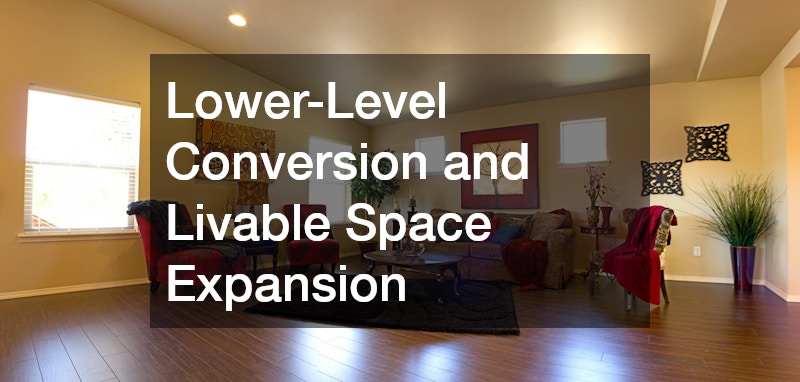
Unfinished or underutilized basements represent one of the greatest opportunities for value creation in house flipping. Converting these spaces into livable areas can dramatically increase usable square footage and buyer appeal. However, the level of value gained depends heavily on how thoroughly the space is evaluated and prepared before any cosmetic work begins. A poorly executed basement conversion can quickly become a liability rather than an asset, especially if moisture, structural, or code issues are overlooked early on.
Successful basement finishing begins with addressing foundational concerns, and this phase should be treated as non-negotiable groundwork rather than optional preparation.
Moisture control and waterproofing are the first priority because basements are naturally prone to water intrusion. Even small signs of dampness can indicate larger drainage or foundation issues. This step may involve interior sealants, exterior grading corrections, sump pump installation, or improved gutter and downspout systems. Ignoring moisture at this stage often leads to mold growth, flooring failure, and long-term structural deterioration that can wipe out profit margins.
Proper insulation and temperature regulation are equally important because basements typically suffer from being too cold in winter and too humid in summer. Without proper insulation, even a visually finished basement will feel uncomfortable and uninviting to buyers. Insulating foundation walls, rim joists, and sometimes even subfloors helps stabilize temperature and improve energy efficiency throughout the entire home. This also reduces strain on HVAC systems, which is an added selling point for energy-conscious buyers.
Ceiling height evaluation plays a major role in determining how usable the space can realistically be. Low ceilings can make a basement feel cramped, even after high-end finishes are installed. In some cases, minor adjustments such as exposing joists, selecting lower-profile lighting fixtures, or adjusting flooring thickness can improve clearance. In more challenging scenarios, design strategies must compensate visually rather than structurally, using lighting and layout to create the perception of openness.
Safe electrical and plumbing systems must be evaluated before any walls are closed or finishes are installed. Many older basements have outdated wiring, insufficient outlet placement, or plumbing configurations that do not meet current code standards. Upgrading these systems not only ensures safety but also allows the space to support modern uses such as home theaters, guest suites, or office setups. Proper planning at this stage prevents expensive rework later in the renovation process.
Once the space is structurally sound, layout planning becomes the next priority. Finished basements should feel like natural extensions of the home rather than separate or disconnected areas. This requires intentional design choices that maintain visual and functional continuity with the main floors above.
Effective layout ideas include:
- Secondary living rooms or media spaces that create a relaxed, entertainment-focused environment away from main living areas
- Guest bedrooms or in-law suites that add functional living space and increase the home’s versatility for different buyer needs
- Home offices or flex rooms that cater to remote work trends and provide adaptable functionality for future homeowners
- Recreation or entertainment zones, such as game rooms, fitness areas, or hobby spaces, that enhance lifestyle appeal
The success of these layouts depends on circulation and flow. Walkways should feel natural, not forced, and furniture zones should be clearly defined without making the space feel segmented or confined.
Working with an interior designer during this stage can significantly improve outcomes. Professional design input ensures that lighting, color schemes, and layout flow align with the rest of the home. This is especially important in basements, where natural light is limited and poor design decisions are more noticeable than in above-ground spaces.
Benefits of design collaboration:
- Improved space planning efficiency, ensuring every square foot is used intentionally rather than wasted on awkward corners or unused areas
- Better material and finish selection, helping avoid choices that either clash with the rest of the home or perform poorly in low-light, high-humidity environments
- Cohesive design across all levels of the home, which helps the basement feel like an integrated extension rather than an afterthought renovation
- Reduced risk of awkward or underutilized layouts, which can significantly impact buyer perception during showings
Design strategies that improve basement appeal require a balance between practicality and perception. Because basements often lack natural light and architectural interest, the design approach must compensate creatively.
Use lighter color palettes to offset limited natural light. Soft neutrals, warm whites, and light grays help reflect artificial lighting and make the space feel larger and more open. Dark colors, while stylish in some contexts, tend to make basements feel smaller and more enclosed.
Incorporate layered lighting (ambient, task, accent) to eliminate shadows and create depth. Ambient lighting provides overall brightness, task lighting supports functional areas like desks or kitchenettes, and accent lighting highlights architectural features or décor. A single overhead light source is rarely sufficient in basement environments and often results in a flat, uninviting appearance.
Use consistent flooring transitions when possible to maintain visual continuity with upper levels. Even if materials differ, similar tones or textures can help unify the home’s overall aesthetic. Abrupt flooring changes can make the basement feel disconnected from the rest of the property.
Add visual separation without closing off space by using partial walls, furniture placement, or changes in lighting zones instead of full enclosures. Open layouts are especially important in basements because they help counteract the natural feeling of confinement. Strategic separation allows for functional zoning without sacrificing openness.
A well-finished basement can shift a property’s classification from average to high-value in the eyes of buyers, especially when it feels intentional, comfortable, and fully integrated into the overall design of the home.
Conclusion
Successful house flipping is not about renovating every part of a property equally—it is about making informed decisions that prioritize structural integrity, buyer psychology, and return on investment.
Flippers who focus on the most impactful areas first are more likely to:
- Sell faster
- Reduce unexpected repair costs
- Avoid inspection-related delays
- Increase the final sale price
By approaching renovations in a logical sequence—from essential exterior protection to interior improvements and livable space expansion—investors can transform properties efficiently while maintaining strong profit margins.
The key is discipline: invest where it matters most, avoid unnecessary upgrades, and always design with the end buyer in mind.
About the Author